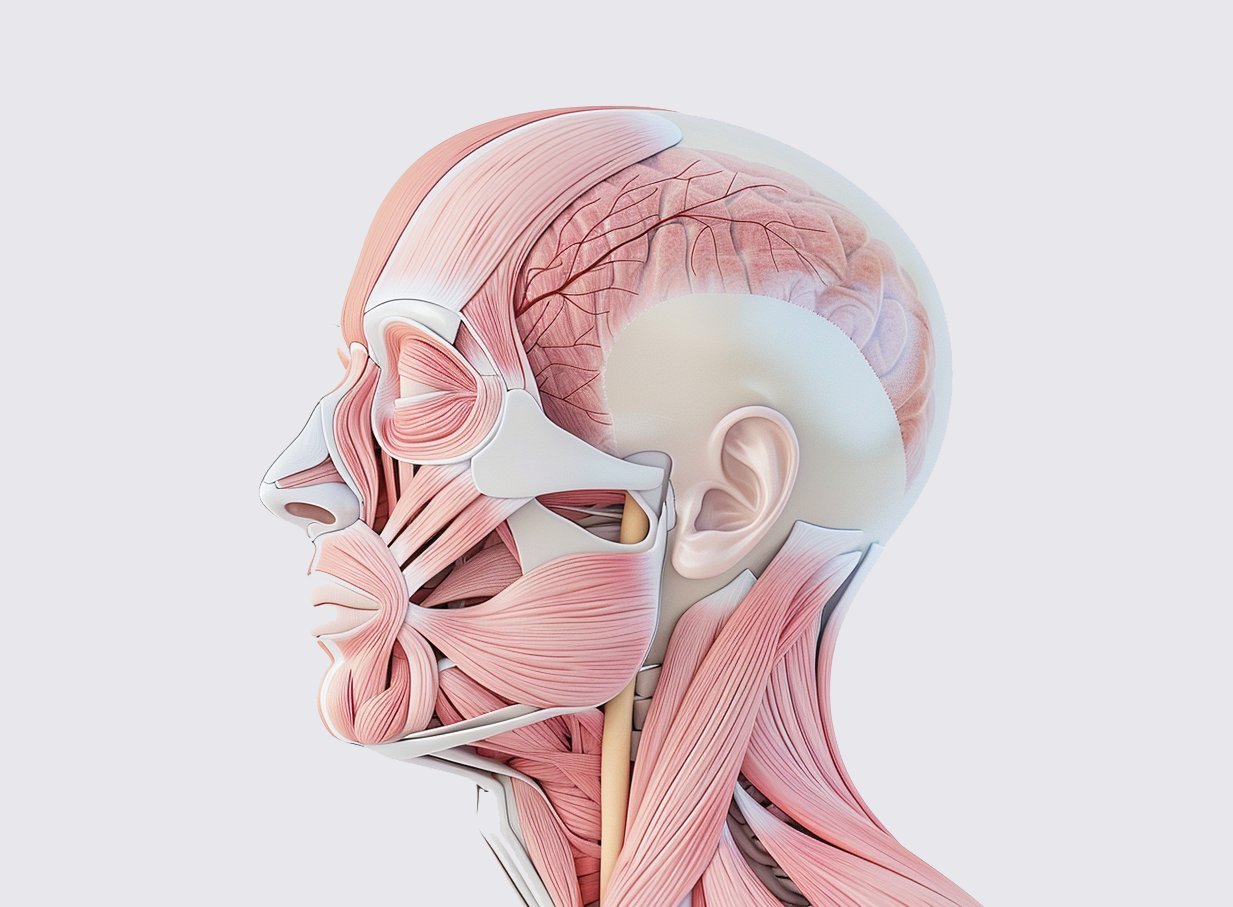
Revision Rhinoplasty main visual
Revision RhinoplastyRevision Rhinoplasty

Rhinoplasty Revision

Revision Rhinoplasty is not simply
about reshaping the nose

When the outcome of a previous rhinoplasty is unsatisfactory, or functional and aesthetic issues have arisen,
we analyze and correct the structural causes to restore a natural, stable nasal form.
We design it so that your second rhinoplasty can be your last revision.

Precise cause analysis 3D-CT diagnosis Autologous tissue use Structural restoration Facial proportion design

Surgery Information

Surgery Information

Surgery details may vary by individual,
and side effects such as inflammation, bleeding, and nerve damage may occur. Please consult carefully.

Surgery Duration

2–3 hours

Anesthesia

IV Sedation

Suture Removal

7 days post-op

Follow-up Visits

2–3 visits

Recommended For

When Revision Rhinoplasty Is Effective

If any of the following apply to you,
Revision Rhinoplasty may be worth considering.

CASE 01

Implant is visible through skin, or thin skin reveals implant contour

CASE 02

Implant has shifted or displaced, causing asymmetry in the side line or bridge

CASE 03

Drooping or fallen nasal tip, or weakened cartilage support leaving unsatisfactory tip shape

CASE 04

Contracture causing the nose to turn upward or appear unnatural

CASE 05

Nostril asymmetry, or persistently excessive nostril exposure

CASE 06

Nose height or bridge height is too high or too low for facial proportion, not suiting overall impression

Core Principles

In revision surgery, identifying the cause
is the most critical step

Issues such as implant show-through, displacement, weakened cartilage support, contracture, and columella proportion problems
often occur together. We begin with a precise analysis.

POINT 01

Precise Cause Analysis

Diagnosis-based surgical planning

We accurately identify the cause of failure and establish a treatment plan. Considering overall facial proportion, nasal trajectory, and cartilage and skin thickness, we determine which areas need reinforcement or removal.

POINT 02

Structural Restoration Reinforcement

Custom combination of diverse materials

We combine autologous cartilage or implants with capsule, dermis, and artificial dermis to restore support and increase durability. Reinforcing the weakened cartilage support creates a stable nasal tip line.

POINT 03

Columella & Symmetry Correction

Restoring nostril shape balance

When nasal tip and columella height or shape are imbalanced, implant or cartilage repositioning is used to align the columella-tip angle and finely adjust left-right symmetry.

+ Based on Precision 3D-CT Diagnosis

Through 3D-CT and camera analysis, we closely assess structural damage, overall facial proportion, skin thickness, and existing tissue condition. Rather than simple cosmetic correction, we establish a customized reinforcement plan based on accurate diagnosis, designed to make the second surgery your last revision.

Surgical Materials

Materials for
Natural Rhinoplasty Enhancement

We prioritize autologous tissue based on individual nasal condition and primary surgery materials.
As needed, we combine implants and artificial dermis to strengthen structural restoration.

Image area Revision Rhinoplasty 1
Material 01

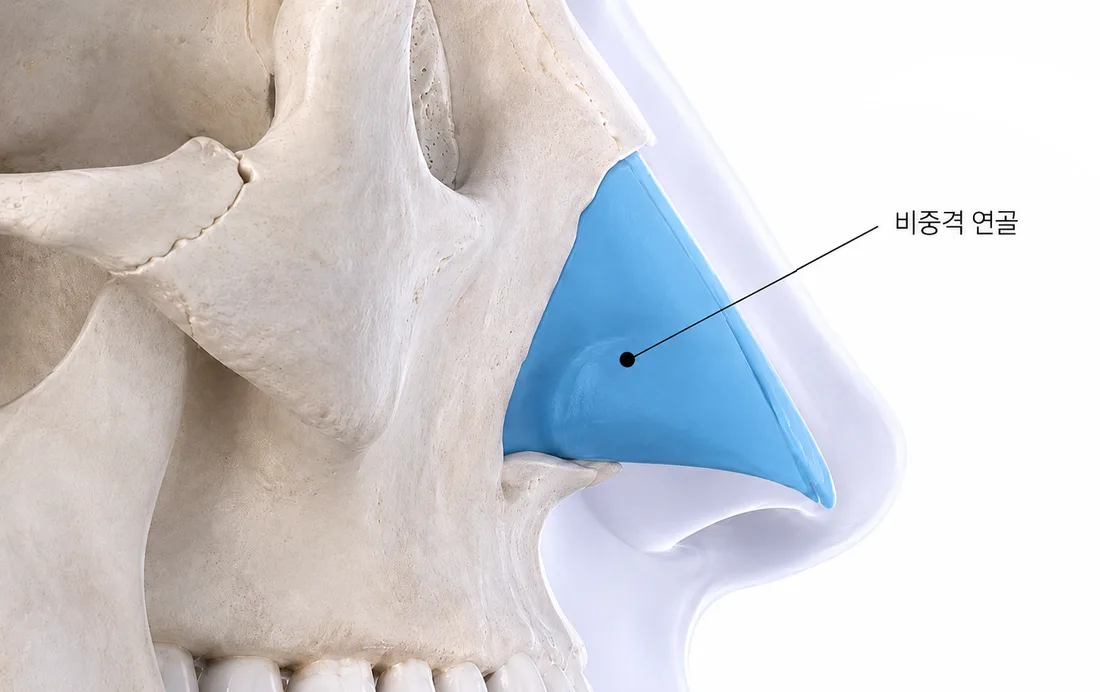
Septal Cartilage

Creates a natural nose shape and, being firmer than ear cartilage, provides sturdy support to prevent nasal tip drooping.

Image area Revision Rhinoplasty 2
Material 02

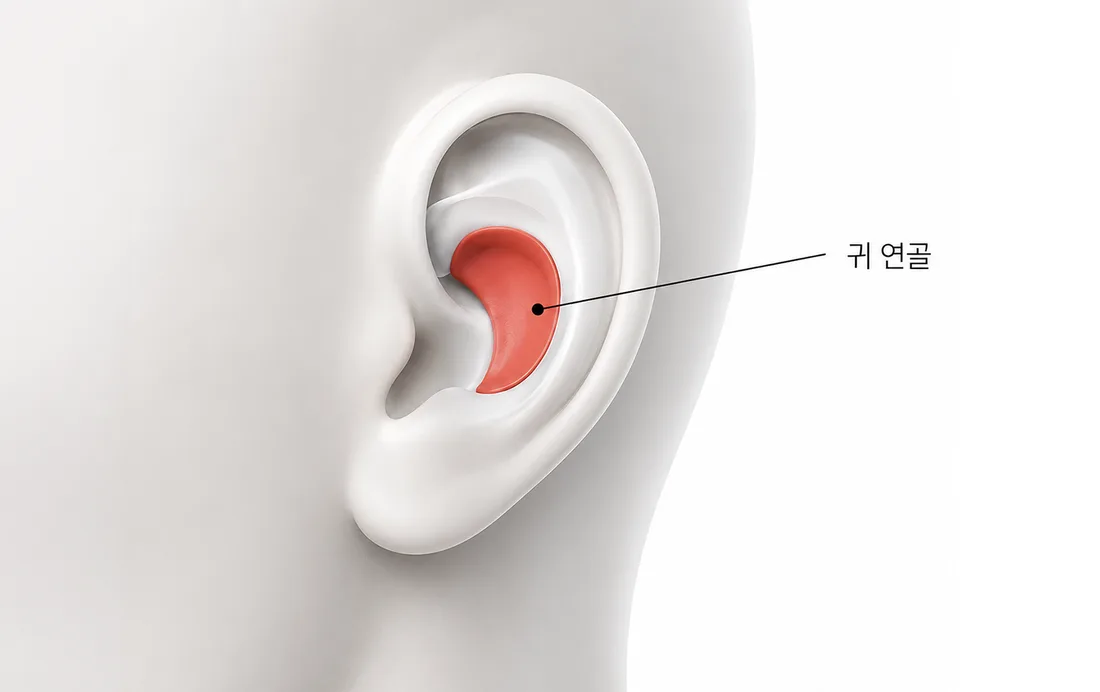
Ear Cartilage

The most commonly used material due to ease of harvest; excellent for shaping a natural, perky nasal tip.

Image area Revision Rhinoplasty 3
Material 03

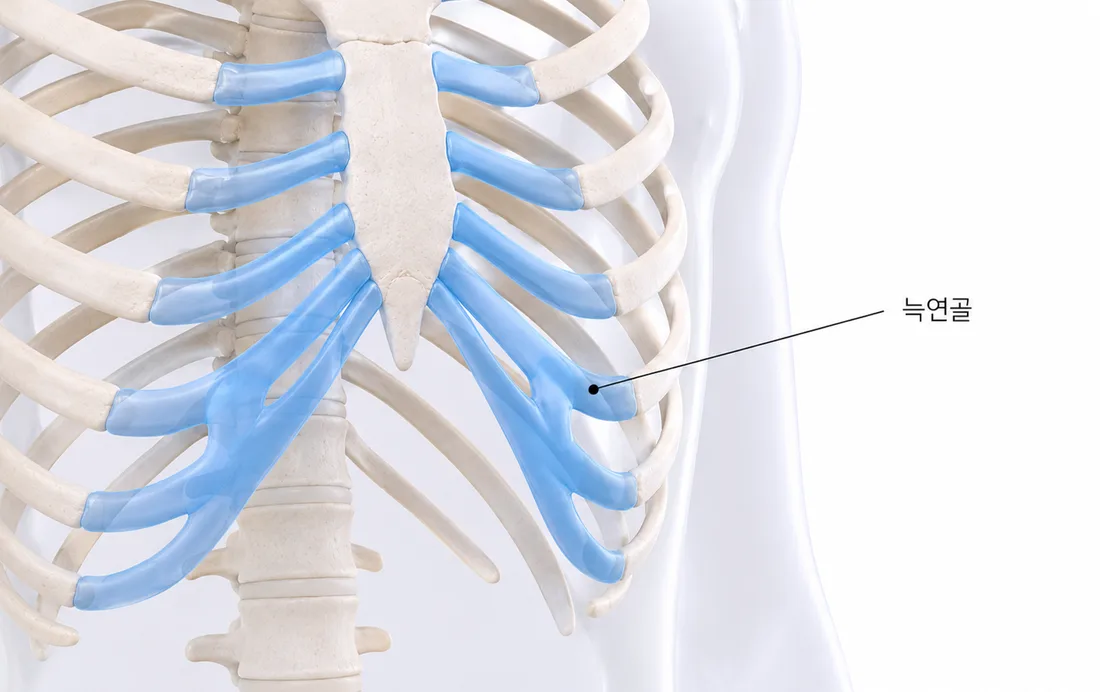
Autologous Rib Cartilage

Used when septal or ear cartilage is insufficient; primarily used in revision surgery but also in primary surgery for short noses.

Surgery Process

Revision Rhinoplasty Process

To ensure the second rhinoplasty becomes your last revision,
surgery must be performed by a skilled specialist.

STEP 01

Precise Diagnosis

Diagnosing the current rhinoplasty condition

Before surgery, we carefully assess the existing implants, cartilage, and other elements, analyze the cause of surgical failure, and plan the procedure.

STEP 02

Safe Removal

Clean removal of existing implant

We delicately remove not only well-integrated existing implants and artificial dermis, but also address inflammation as needed.

STEP 03

Structural Restoration

Building a solid nasal tip support structure

While delicately handling weakened tissue, we build a firm nasal tip and sturdy bridge to ensure long-lasting results without warping.

Why Pleasure

Why Pleasure Revision Rhinoplasty
is Different

Not merely adjusting height, but harmonizing with overall facial proportion —
we establish a precise surgical plan based on state-of-the-art 3D-CT.

Image area
POINT 01

Revision Rhinoplasty Planning Considering Facial Proportion

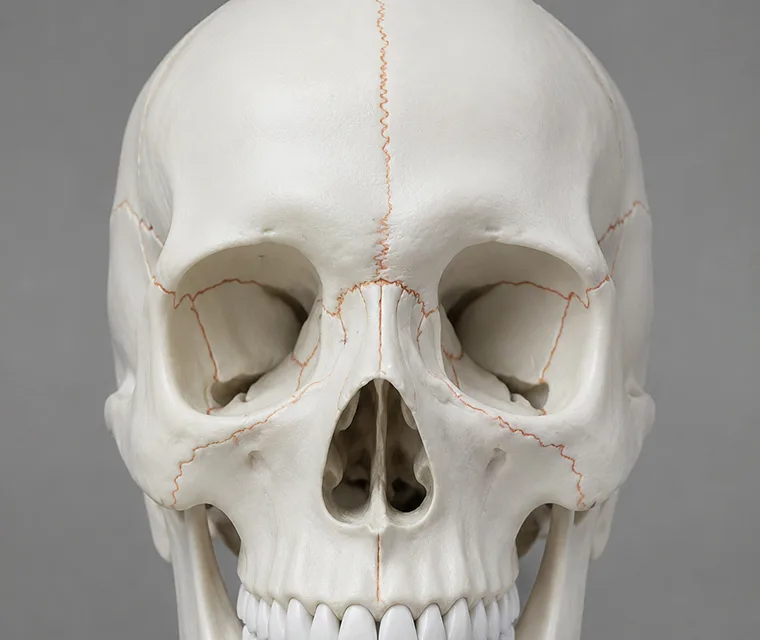
Through revision surgery, we do not merely adjust height — we redesign the nose line to harmonize with the overall facial proportion (forehead-nasal tip-chin, etc.).

Columella

Height and angle are precisely corrected to match facial proportions.

Nostril Asymmetry

Left-right balance is finely adjusted to achieve a natural shape.

Nasal Tip Support Structure

A drooping or blunted nasal tip is firmly redesigned using autologous cartilage.

Image area
POINT 02

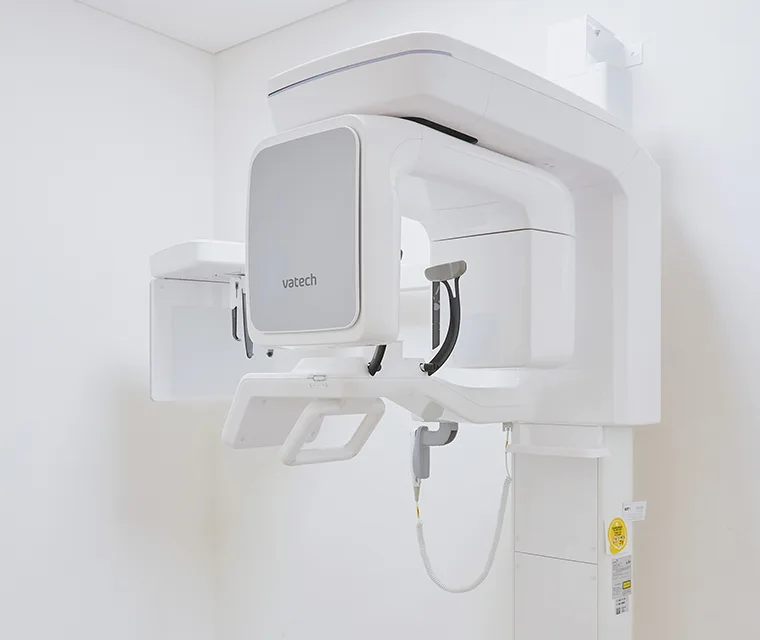
Pre-Surgery State-of-the-Art 3D-CT Imaging

With state-of-the-art 3D-CT, we establish systematic assessment and surgical planning. We assess autologous tissue condition, septal size, and internal structure, then address functional issues together with nasal reshaping.

Septal Size & Condition

We accurately confirm in advance whether autologous cartilage can be utilized.

Internal Structure Assessment

Functional issues (such as septal deviation) are resolved alongside nasal reshaping.

Custom Surgical Plan

Based on 3D-CT results, a precise individualized surgical direction is designed.

Why PLEASURE

Why choose Pleasure Plastic Surgery
for Revision Rhinoplasty?

Revision Rhinoplasty demands far greater difficulty and precision than primary surgery.
From analyzing the cause of failure to addressing function, we design it to be your last surgery.

Extensive Revision Surgery Clinical Experience

Drawing on a wide range of revision surgery cases, we accurately identify the cause of failure and carry out safe, effective surgery.

Precision 3D-CT Diagnosis

3D-CT allows us to accurately assess the septum, autologous tissue, and internal structure in advance to establish the safest surgical plan.

Facial Proportion Custom Design

Rather than simply correcting height, we analyze the full forehead-tip-chin proportion and design a nose line in harmony with the face.

Autologous Tissue Structural Restoration

Using septal, ear, and autologous rib cartilage, we firmly reconstruct the nasal tip support structure for long-lasting, stable results.

Function + Aesthetics Improved Together

Functional issues such as septal deviation are corrected simultaneously with revision surgery, completing both aesthetics and function.

FAQ

Before Revision Rhinoplasty
Frequently Asked Questions

Q How does Revision Rhinoplasty differ from primary surgery?
Revision surgery is performed with existing implants, cartilage, and tissue already integrated, requiring far greater difficulty and precision than primary surgery. We accurately identify the cause of failure, analyze internal condition via 3D-CT, and establish a customized surgical plan.
Q When is the right time to have revision surgery?
We generally recommend waiting at least 6 months to 1 year after primary surgery for tissue to sufficiently stabilize before considering revision. However, if acute issues such as inflammation or pain occur, prompt consultation is necessary.
Q What materials are used in revision surgery?
Based on individual nasal condition and primary surgery materials, we prioritize autologous tissue such as septal cartilage, ear cartilage, and autologous rib cartilage. As needed, we combine implants and artificial dermis to strengthen structural restoration. Appropriate materials are recommended during your in-person consultation based on 3D-CT results.
Q How long is the recovery period after revision surgery?
It varies by individual, but recovery may take somewhat longer than primary surgery. Suture removal is performed 7 days post-op, and about 2–3 follow-up visits are needed. It may take 3–6 months for swelling to fully subside and the final result to be confirmed.

Consultation

We design it together
to be your last revision

Revision Rhinoplasty requires a precise approach — from analyzing the cause of failure to structural restoration and facial proportion design.
Through an in-person consultation using 3D-CT, we accurately assess your nasal condition and work with you to design the most suitable revision plan.

HoursMon–Fri 10:00–19:00 · Sat 10:00–17:00 · Closed Sun & Holidays

Before & After

Revision Rhinoplasty Before & After

Actual results from our patients — Before & After results from Revision Rhinoplasty. Only cases with patient consent are published.

BEFORE AFTER

PLEASURE DUAL SYSTEM

To surgical precision, we add the insight of skin science.

Pleasure's dual system where surgical structural improvement and dermatological texture restoration work together. Designed with only what's needed, in the most harmonious sequence.